
Insights & Opinions
Hilton Chingosho: Energy Efficiency, the Engine of Zimbabwe’s Industrial Transformation
Like many developing African economies, Zimbabwe has rightly prioritized industrialisation and local manufacturing as pathways to economic emancipation, job creation, and improved livelihoods. The country's rich natural resource base and skilled workforce provide a strong foundation for industrial growth. Yet, if this growth is to be sustainable and globally competitive, it must be decoupled from rising energy consumption, emissions, and resource inefficiencies.
This is where energy efficiency emerges as one of the most powerful, yet often overlooked, tools for economic transformation. Zimbabwe has increasingly recognised this reality. Its Vision 2030, the National Development Strategy, and the recently adopted National Energy Efficiency Policy (2025), all place energy efficiency at the centre of efforts to improve industrial productivity, strengthen energy security, and support low-carbon economic growth. The challenge is significant. While global energy intensity has improved at an average annual rate of 1.9%, Zimbabwe must achieve improvements of approximately 3.2% per year to meet its national energy efficiency targets by 2030.
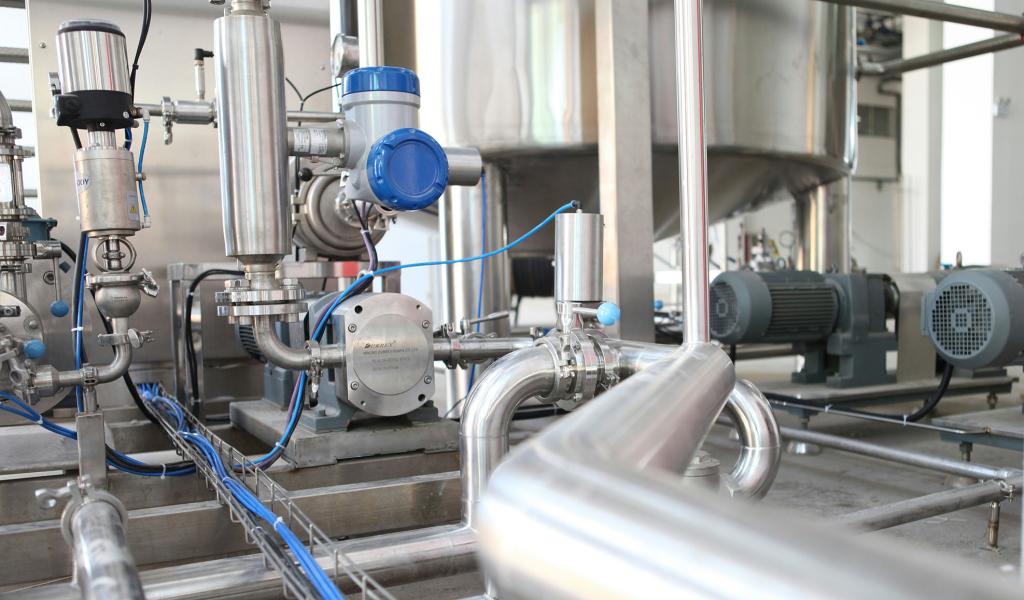
The good news is that the opportunity is equally significant. Recent studies commissioned under the United Nations Industrial Development Organization (UNIDO)- led Energy Efficiency for Sustainable Livelihoods in Africa (EELA) Program reveal substantial untapped potential for reducing industrial energy costs while improving competitiveness. One of the studies assessed more than 10,000 industrial motors across Zimbabwe, Kenya, and Zambia. The findings showed that motor systems account for roughly 70% of electricity consumption in industrial facilities. In Zimbabwe, more than 60% of installed motors operate at low efficiency levels, while only 14% meet internationally recognized high-efficiency standards. Additionally, 35% of motors are more than ten years old.
These statistics are not merely technical observations; they represent a major economic opportunity. Upgrading to high efficiency motors can reduce electricity consumption by between 15% and 30%, lowering production costs and improving profitability. At a time when Zimbabwean industry continues to grapple with high operating costs and capacity utilisation of just over 53%, according to Confederation of Zimbabwe Industries (CZI) data, such savings could make a meaningful difference to industrial competitiveness.
The studies also identified practical barriers that must be addressed. More than half of industrial respondents cited access to finance as the biggest obstacle to investing in energy-efficient technologies, while nearly half pointed to limited awareness of the benefits and savings associated with such investments. These findings reinforce the need for targeted financing mechanisms, stronger awareness campaigns, and supportive policies that encourage technology upgrades.
Importantly, energy efficiency is not only about saving energy. It is about modernising industry, increasing productivity, reducing foreign currency expenditure on energy imports, and positioning Zimbabwean products more competitively in regional and international markets. It is also about ensuring that industrial growth aligns with the country's climate commitments and sustainable development aspirations.
This is why initiatives such as the EELA Zimbabwe Project are so important. Through support for Minimum Energy Performance Standards (MEPS), energy labelling, industrial decarbonisation, Energy Management Systems, and the establishment of the Industry Clean Tech Platform (ICTP) at CZI, the project is helping to create the institutional and market foundations necessary for long-term transformation. The platform, a one-stop-shop for energy-efficient African industries, is expected to connect industry with clean technologies, technical expertise, financing solutions, and international technology providers, thereby reducing barriers to investment and innovation.
The studies project further highlights the importance of improving industrial energy data, conducting structured energy audits, and ensuring that women participate meaningfully in technical training, energy management, and clean technology value chains. Sustainable industrialization must be inclusive if its benefits are to be widely shared.
The message is clear. Energy efficiency is no longer a niche technical issue reserved for engineers and energy specialists. It is an economic imperative. It sits at the intersection of industrial development, competitiveness, investment, and climate action.
As Zimbabwe seeks to build a modern, resilient, and globally competitive industrial sector, energy efficiency offers one of the fastest and most cost-effective routes to achieving that vision. The evidence is now available. The technologies exist. The business case is compelling. The next step is decisive action.
Hilton Chingosho, EELA National Project Coordinator, Zimbabwe