
News
EELA Kenya and KAM Conduct EnMS Field Visits to Tea Factories in Nandi Hills to Drive Energy Efficiency Gains
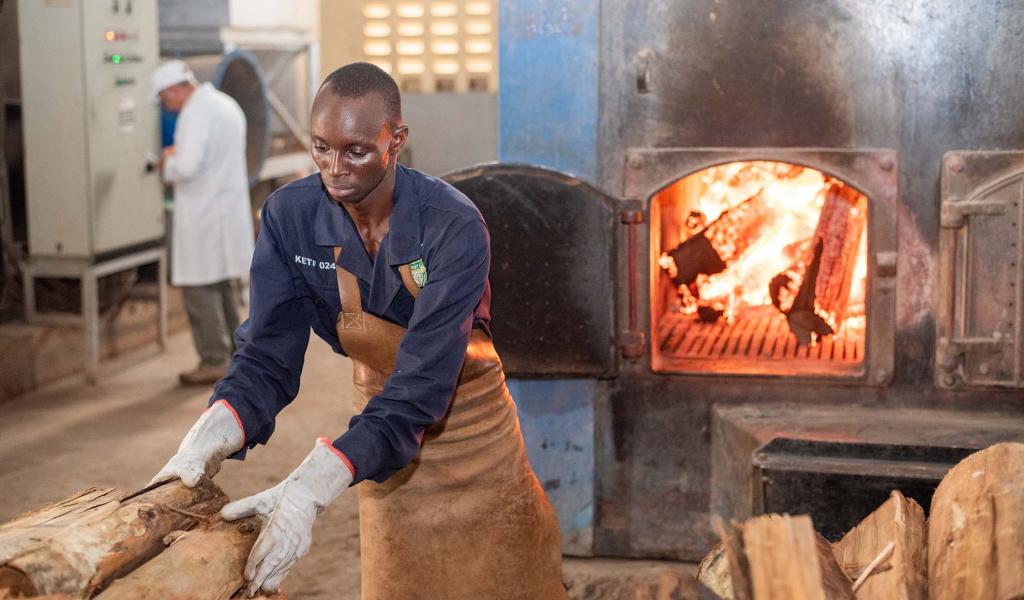
As part of efforts to accelerate industrial energy efficiency across the tea sector, the EELA Kenya Country Window, in collaboration with the Kenya Association of Manufacturers (KAM), conducted technical field visits to two tea factories in Nandi Hills. The visits enabled participants to observe real‑world applications of energy management practices within tea‑processing facilities, learn about the factories’ current level of EnMS adoption, draw lessons from effective practices, and explore opportunities for improvement.
CHEMOMI TEA FACTORY: STRONG ENERGY CULTURE DRIVING MEASURABLE RESULTS
The first visit was to Chemomi Tea Factory, operated by Eastern Produce Kenya Limited. Processing about 100 tonnes of green leaf per day and operating continuously across two CTC lines, Chemomi has introduced several modernization measures, including partial automation of withering and the installation of a solar energy system that now delivers roughly 45% energy savings.
Since 2020, the factory has fostered a structured energy efficiency culture. Key energy-intensive processes - withering, rolling, and drying - were analyzed and assigned dedicated committees comprising electricians, steam line operators, supervisors, and management. Each team works with clearly defined Key Performance Indicators (KPIs) to ensure systematic tracking and continuous improvement.
The factory has also implemented several practical, low-cost interventions to reduce firewood consumption. These include:
- Elevating wood off the ground
- Improving yard drainage
- Aligning stacks with prevailing wind direction
- Enhancing airflow around and beneath the stacks
- Using polytunnels to support faster drying
These improvements have delivered notable fuel savings. In addition, four managers were trained and licensed by EPRA in 2025, and the factory now conducts weekly maintenance shutdowns. A KPI tracking framework developed with Cambridge supports ongoing monitoring and corrective action.
KAMARICH EMPOWERMENT TEA FACTORY: A SMALLHOLDER-DRIVEN MODEL WITH EXPANSION POTENTIAL
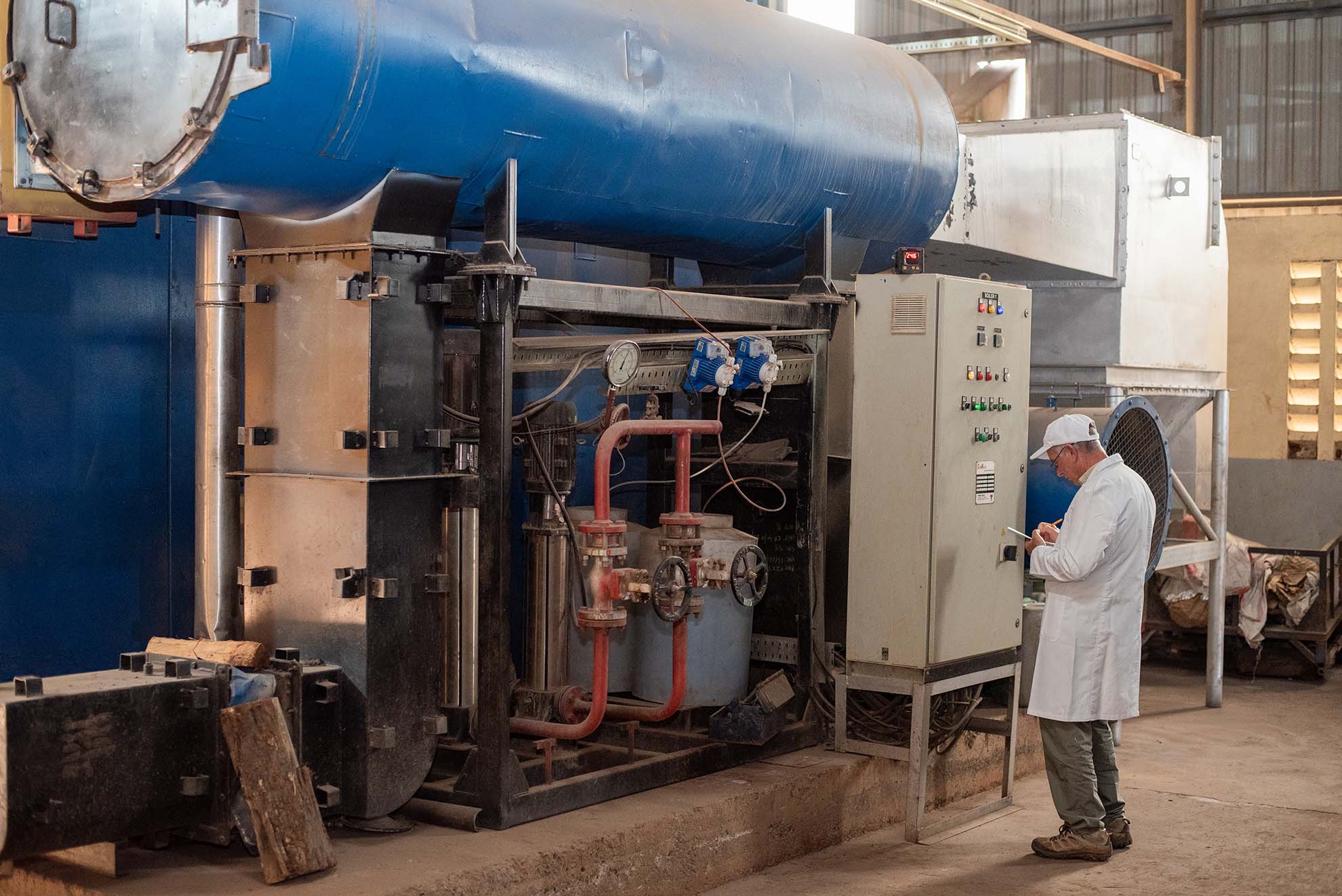
The mission then visited the Kamarich Empowerment Tea Factory, part of the Sireet Outgrowers Empowerment and Producer Company Limited. Established in 2021, Kamarich was designed to increase smallholder participation in tea processing by offering growers an opportunity to become shareholders and contribute to factory governance.
With a processing capacity of 90,000 kilograms of green leaf, Kamarich currently has around 9,000 smallholder shareholders, with the potential to grow to approximately 18,000. Not all registered shareholders currently supply green leaf, but the long-term vision is for the factory to process the full output of its network. It also sources green leaf from non-shareholder farmers.
The factory presently relies on wood fuel for drying, presenting clear opportunities for efficiency gains under the EnMS framework, particularly in thermal energy optimization and operational cost reduction.
STRENGHTENING SKILLS AND CURRING COSTS: THE VALUE OF ENMS-BASED FIELD MISSION
The field visits showcased how factories at different development stages can apply EnMS tools to:
- Identify major energy users and prioritize interventions
- Build internal capacity through trained and licensed personnel
- Strengthen monitoring practices via KPI-based systems
- Improve wood fuel efficiency, especially in drying operations
- Reduce production costs through optimized energy use
- Enhance competitiveness within the tea value chain
By combining hands-on exposure with structured training, EELA Kenya is working with tea factories to transition toward more sustainable and cost-efficient production systems.