
News
EELA Zambia Convenes National Workshop to Validate Energy-Efficient Appliance Market Study
Discover the key highlights of the report: https://www.eela-project.org/EELAZambia-Energy-Efficient-Appliances-Market-Study
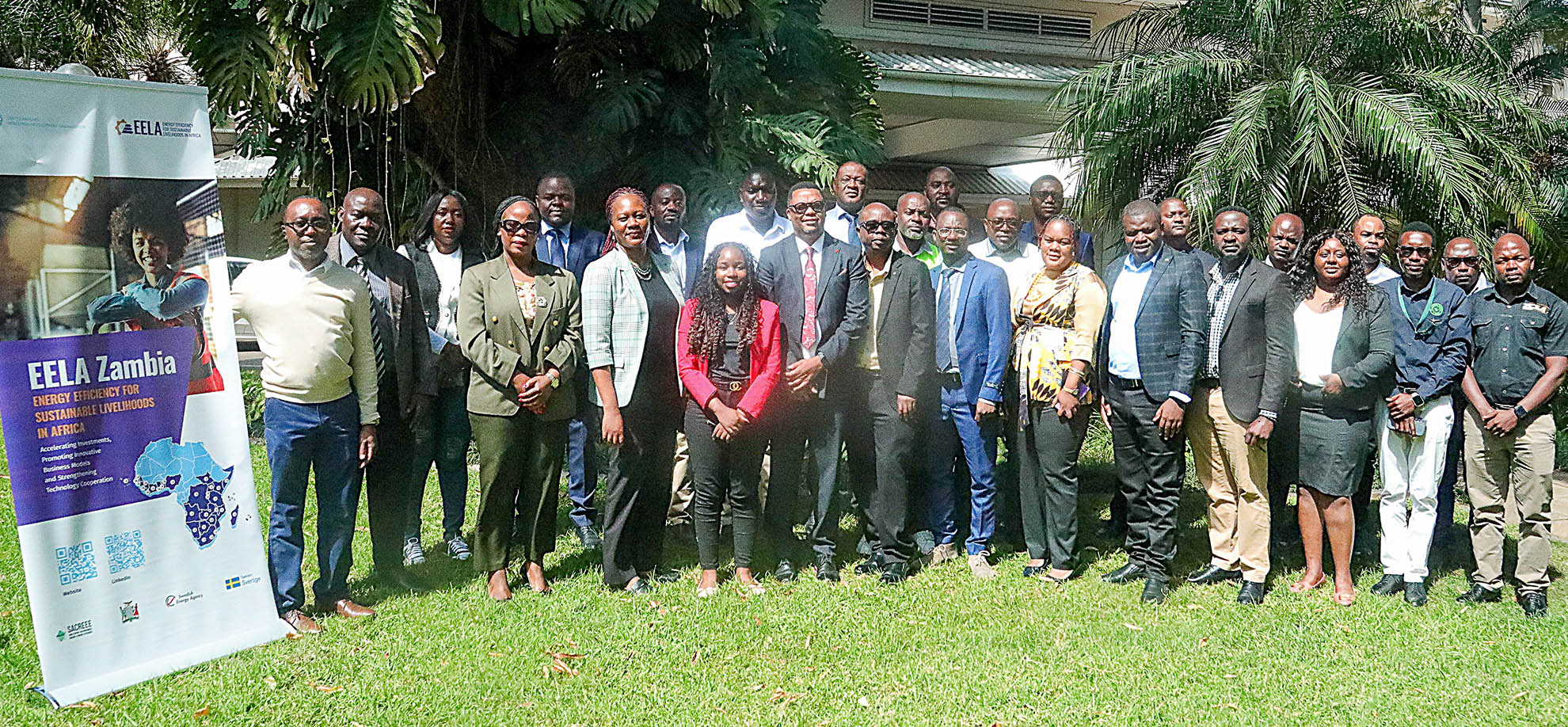
EELA Zambia brought together government representatives, private sector actors, and development partners for a national validation workshop, presenting the findings of a comprehensive Market Study on Energy Efficient Appliances and Manufacturing Development, conducted with Research Methods International. The workshop offered stakeholders a platform to examine Zambia's appliance market landscape, identify opportunities to accelerate the adoption of energy-efficient technologies, and explore pathways to strengthen local manufacturing. Discussions centred on aligning participants around a shared roadmap for advancing energy efficiency in the appliance sector, reinforcing regulatory frameworks, and unlocking industrial development opportunities. The event also served as a key moment to gather stakeholder inputs ahead of the study's finalisation and implementation.
A CALL FOR IMPLEMENTATION
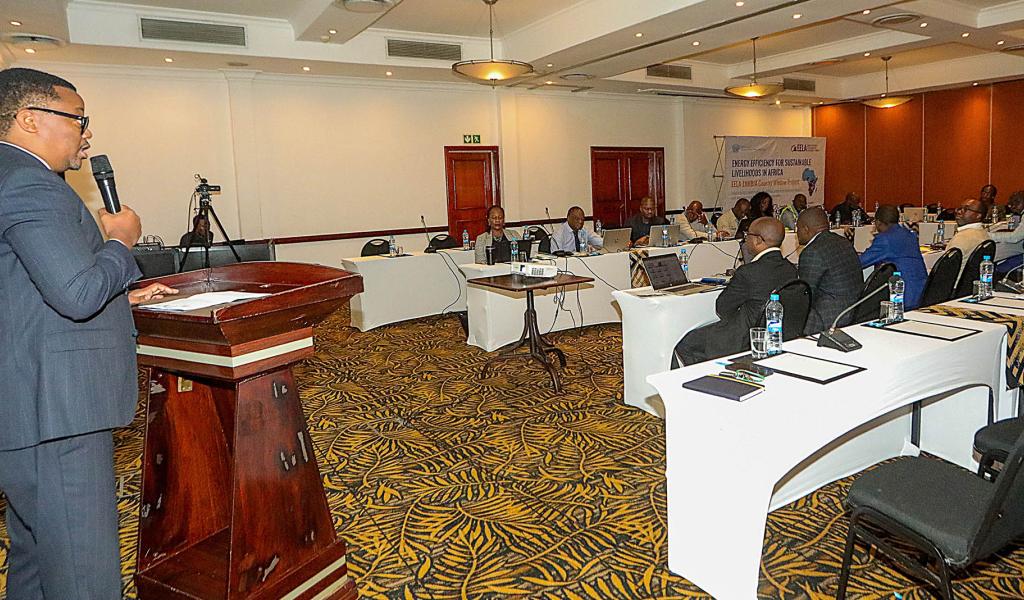
In his opening remarks, Mafayo Ziba, Director Energy, Ministry of Energy, underscored the growing urgency of embedding energy efficiency at the heart of Zambia's development strategy. "As we navigate the dual challenges of energy security and climate resilience, it is increasingly clear that energy efficiency must sit at the centre of our national energy strategy. It is no longer a supporting measure: it is a strategic necessity," he said. Stressing the need to move from policy to action, he added: "The opportunity before us is not one of policy development, but of implementation. Market transformation cannot occur in the absence of clear and enforceable regulatory signals."
EELA'S ROLE IN ZAMBIA'S SUSTAINABLE TRANSITION
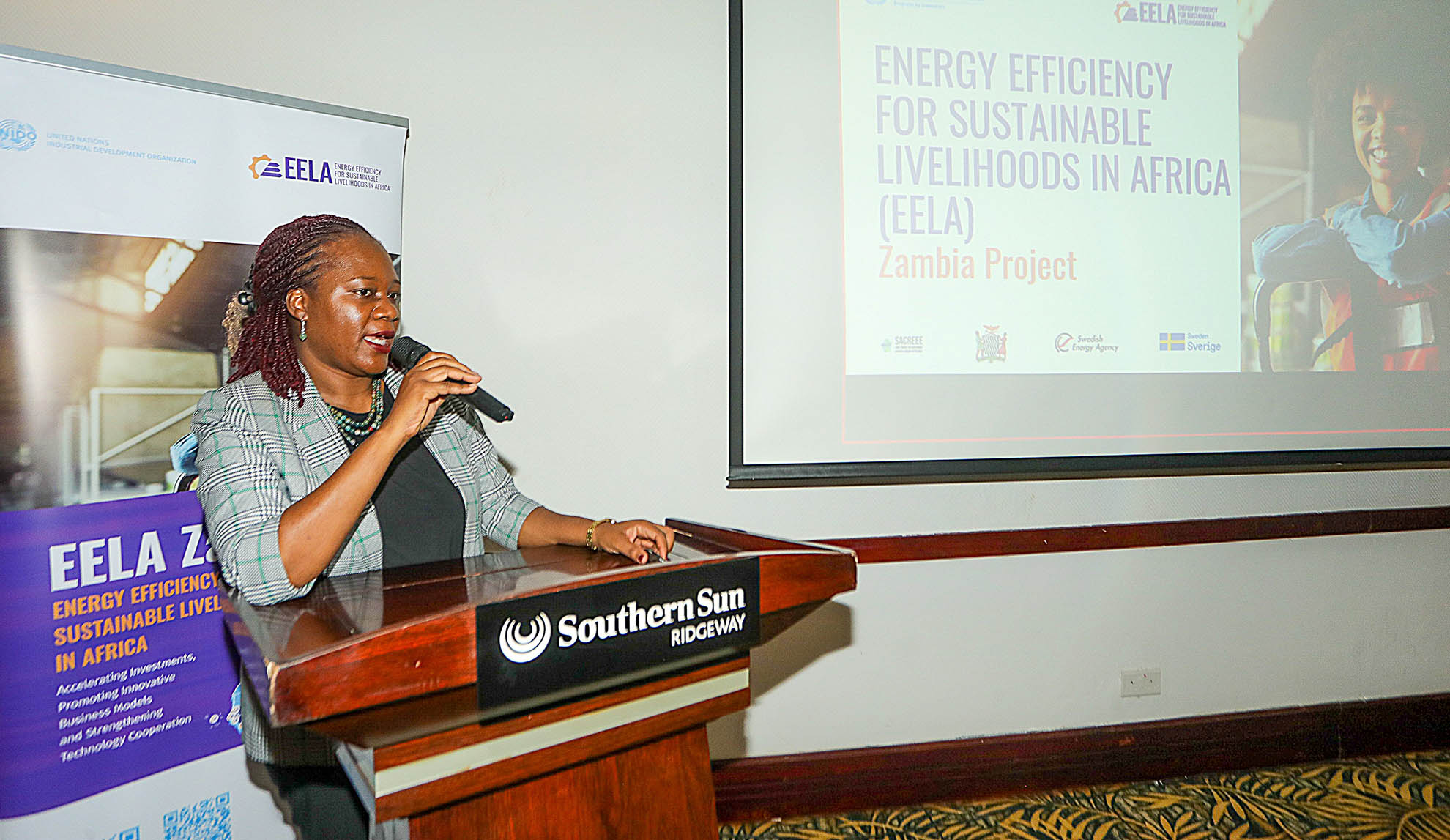
EELA Zambia's National Project Coordinator at UNIDO, Doreen Chipika Bwalya, highlighted the project's contribution to supporting Zambia's shift towards a more sustainable and inclusive economy. She noted that while the country is making significant investments in energy generation, ensuring that energy is used efficiently is equally critical. "Zambia's economy remains highly energy-intensive, which signals significant potential to improve efficiency across both industries and households. At the same time, advancing energy efficiency is key to supporting green industrialisation, reducing production costs, and addressing environmental challenges," she said. Bwalya further underlined the study's value as an evidence base for decision-making: "This study, which incorporates a gender lens, examines market trends, user patterns, key barriers, and the potential for local manufacturing. By understanding how the market operates, we can ensure that future interventions are evidence-based and targeted."
KEY FINDINGS: POLICY-READY, BUT NOT IMPLEMENTATION READY
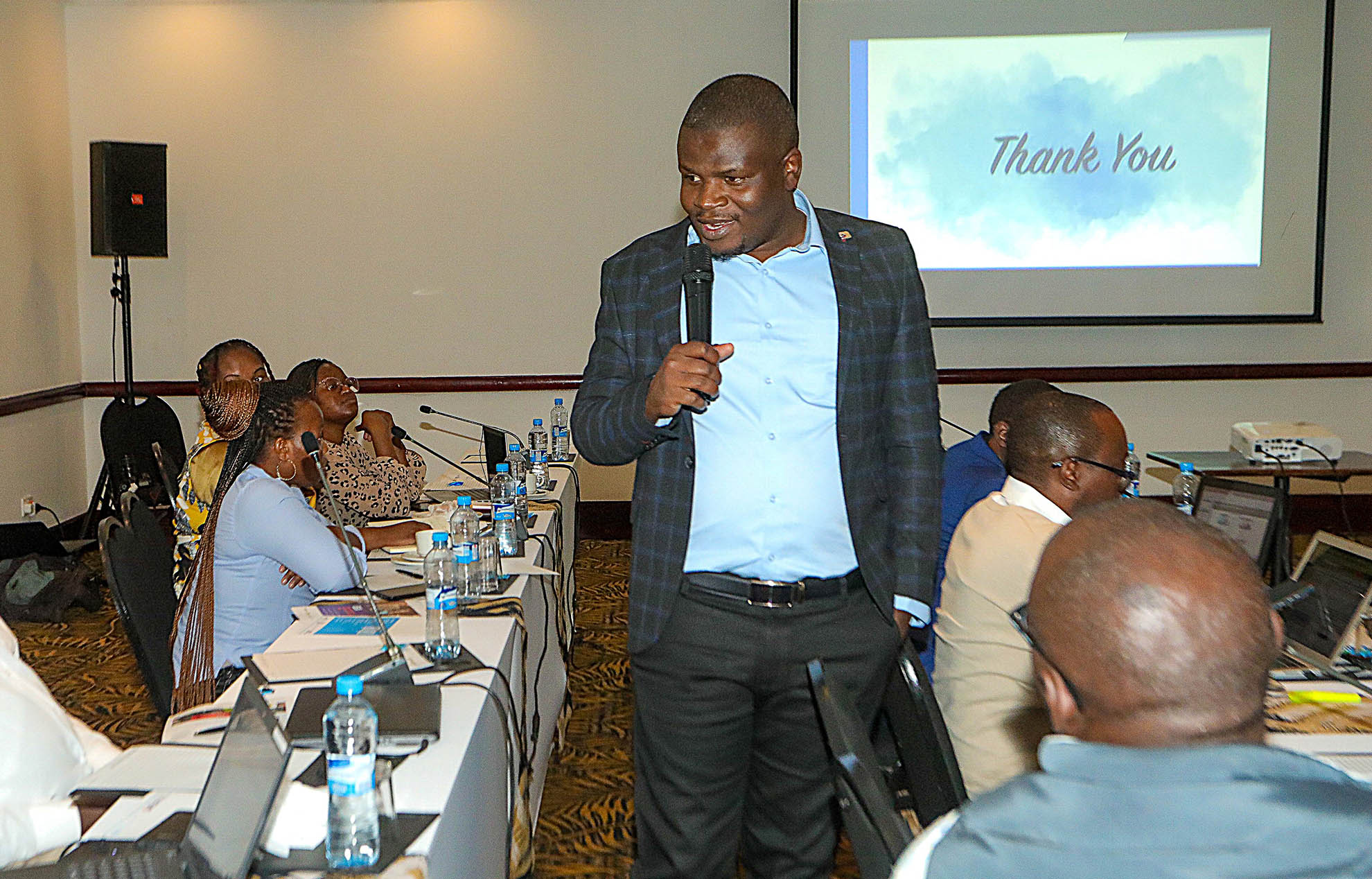
Dr. Shepherd Mwanawashe, CEO and Eng. Dean Musukwa, Lead Expert at Research Methods International, then walked participants through the study's methodology and principal findings, focusing on market dynamics, policy gaps, and local manufacturing potential. A central insight emerged: despite a strong overarching policy framework, Zambia remains "policy-ready but not implementation-ready." The country currently has no mandatory Minimum Energy Performance Standards (MEPS), no national labelling scheme, and limited testing infrastructure. This gap is further illustrated by a striking market paradox: while around 92% of appliances sold carry labels, compliance is largely voluntary and unverified, pointing to an urgent need for enforceable standards.
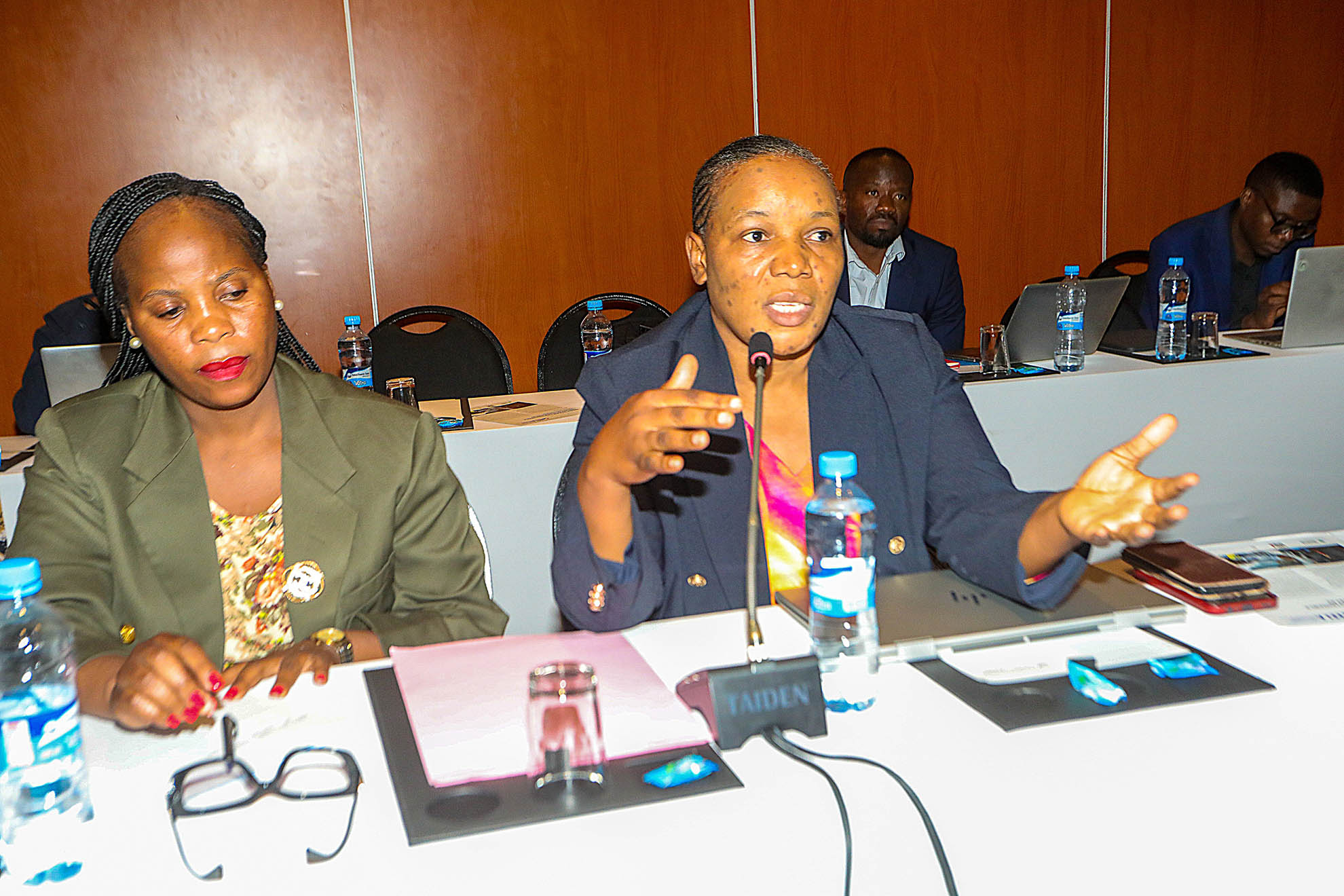
The study also shed light on Zambia's heavy dependence on imports, with 88% of the market reliant on foreign products and local manufacturing largely confined to assembly and light fabrication. Yet significant opportunities exist. The study identified strong potential for developing local value chains, particularly in productive-use appliances such as agro-processing equipment, with meaningful prospects for job creation and economic diversification. Key barriers to market transformation include limited consumer awareness, affordability constraints, the absence of testing and certification facilities, and fragmented institutional coordination.
CHARTING THE PATH FORWARD
In her concluding remarks, Pamela Nakombe, Chief Industrial Research Officer, Ministry of Trade, Commerce and Industry emphasized that energy efficiency should be viewed not only as a utility issue, but also as a driver of industrial productivity, market development, and local manufacturing opportunities in Zambia. The workshop concluded with stakeholder discussions aimed at validating the study's recommendations and refining a roadmap for implementation. Participants emphasised the importance of coordinated action across government, industry, and development partners to accelerate the transition towards energy-efficient appliances in Zambia. By bringing together evidence, policy dialogue, and broad stakeholder engagement, the EELA Zambia workshop marked a concrete step forward in unlocking the country's potential for energy efficiency, industrial growth, and climate resilience.