
News
Growing Momentum for Energy Efficiency at SADC SEW: EELA Contributes to the Regional Dialogue
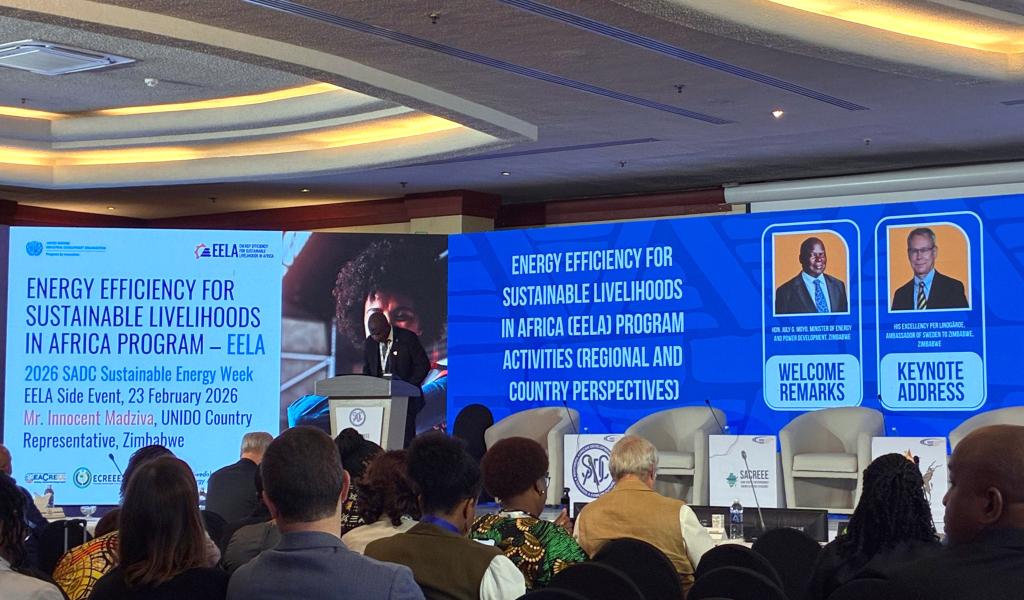
The EELA Program was proud to take the stage at the 2026 SADC Sustainable Energy Week (SEW), presenting its side event “Driving Regional Economic Growth through Clean Energy and Energy Efficiency” to a full and engaged audience in Victoria Falls. The session brought together ministers, ambassadors, regulators, standards bodies, industry associations, and regional experts to assess progress on energy efficiency across the SADC region, and highlighted the growing momentum behind energy efficiency as a strategic driver of economic competitiveness, resilience, and sustainable development across the SADC region.
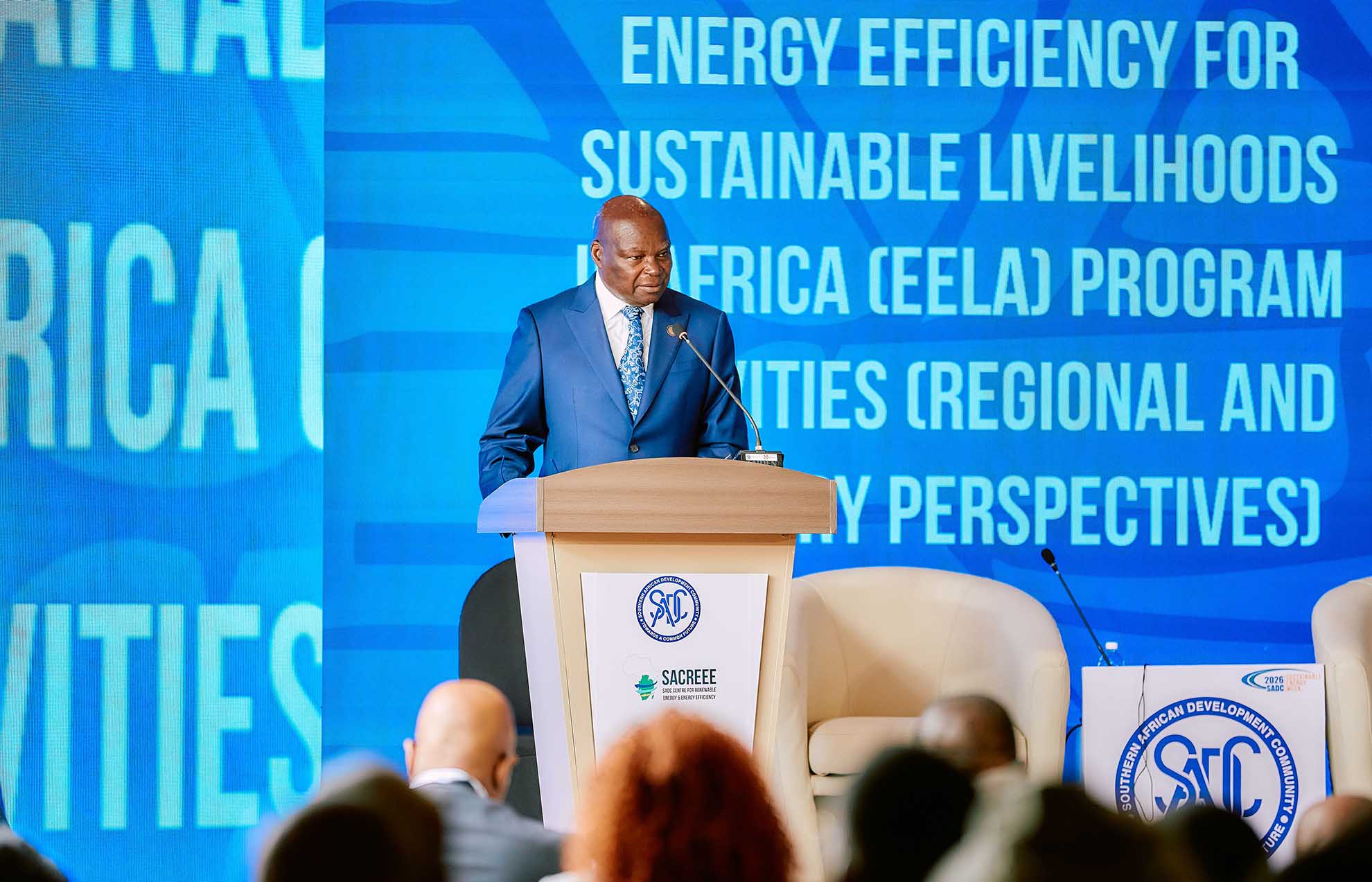
Hon. July G. Moyo, Minister of Energy and Power Development of Zimbabwe
Opening the event, Hon. July G. Moyo, Minister of Energy and Power Development of Zimbabwe, underscored that energy efficiency must be elevated from policy intent to enforceable legislation, insisting that EE frameworks cannot remain aspirational but must be translated into practice. He acknowledged the tangible results delivered by the EELA Program, calling for deeper collaboration and measurable indicators to accelerate clean energy action across SADC.
In his keynote address, H.E. Per Lindgärde, Ambassador of Sweden to Zimbabwe, emphasized that energy efficiency is more than a technical solution, but rather a cornerstone of resilience, sustainability, and economic transformation. He stressed that progress must be evaluated not by how much energy the region produces, but by how efficiently it uses it to drive inclusive growth.
Setting the scene, Mr. Innocent Madziva, UNIDO Country Representative in Zimbabwe, described EE as the region’s “first fuel”: the fastest, most affordable, and most effective means to reduce costs, create jobs, strengthen competitiveness, and enable climate resilience. He called for practical roadmaps linking policy, markets, institutions, financing, and measurable progress.
A REGIONAL DIALOGUE ON POLICY, MARKET TRANSFORMATION AND ENFORCEMENT MECHANISMS
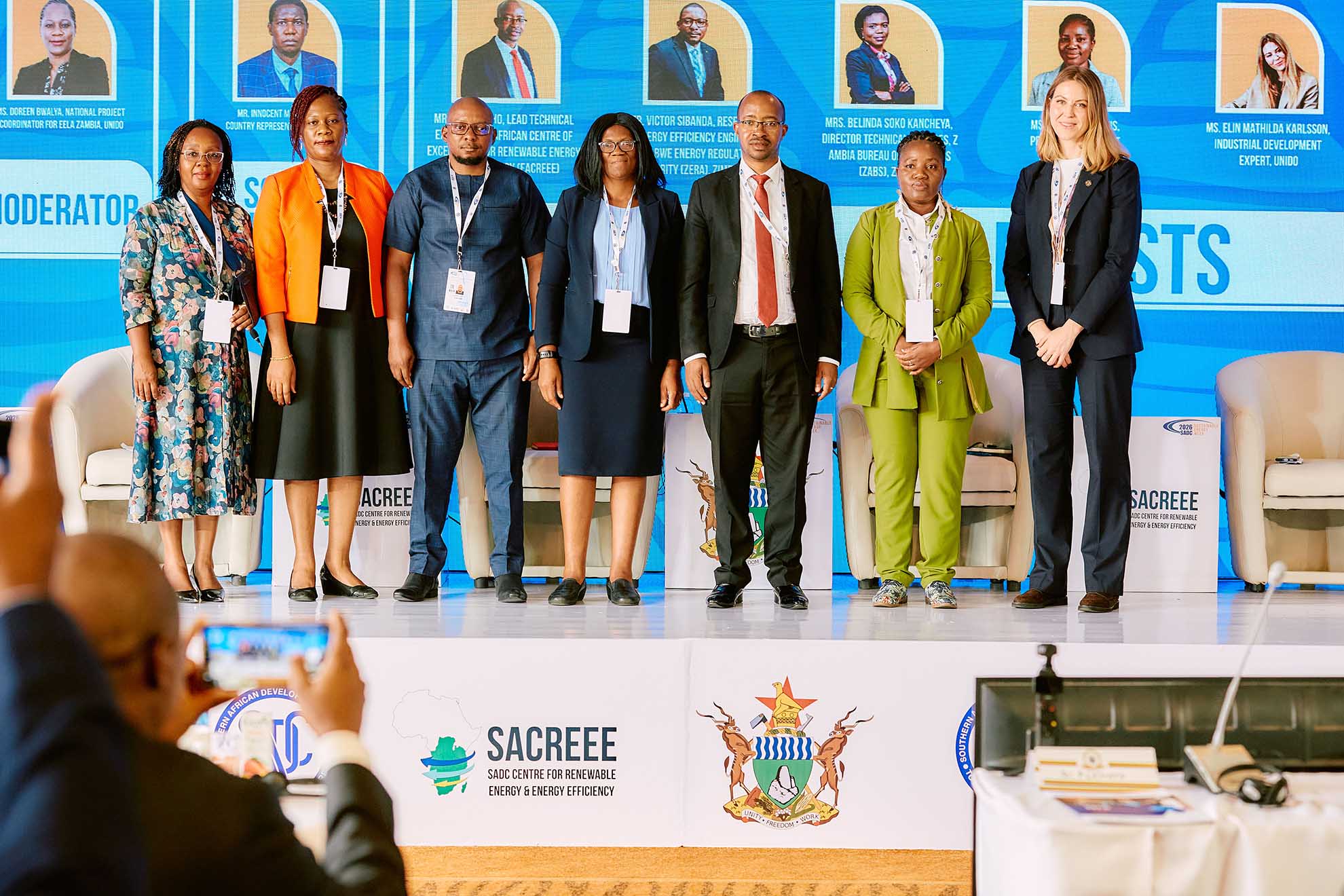
From the left: Joyce Njogu (KAM), Doreen Bwalya (UNIDO), Mr. Victor Sibanda (ZERA), Mrs. Loveness Masveure (SAZ), Denis Ariho (EACREEE), Asteria Markus (SACREEE), Elin Mathilda Karlsson (UNIDO).
The following panel discussion brought together members of the EELA team as well as partner experts from regional centres, regulators, industry associations, and the private sector, offering a multifaceted view of achievements, remaining gaps, and emerging opportunities. Mrs. Doreen Bwalya, National Project Coordinator for EELA Zambia, moderated the event.
Ms. Elin Mathilda Karlsson, Industrial Development Expert and Project Manager of the EELA Country Windows (UNIDO) highlighted energy efficiency as a quick-to-implement, high-impact enabler of industrial growth, reinforcing that countries are already seeing concrete benefits through EELA-supported initiatives.
Mr. Denis Ariho, Lead Technical Expert at EACREEE, called for stronger enforcement of EE standards and labelling, noting that shared regional testing infrastructure would reduce costs and ensure product compliance. He stressed that harmonised regulations and coordinated action are essential to scale industrial efficiency across SADC.
From the regulatory perspective, Mr. Victor Sibanda from Zimbabwe Energy Regulatory Authority (ZERA) explained that Zimbabwe’s phase-out of incandescent bulbs demonstrates what strong regulation can achieve. Yet awareness remains low, and EE continues to be perceived as “virtual,” slowing adoption.
Building on this, Mrs. Loveness Masveure, Standards Officer at Standards Association of Zimbabwe (SAZ), stressed that weak compliance mechanisms and voluntary standards are allowing substandard products to enter the market. She called for dynamic standards, institutional capacity building, and alignment with long-term national visions such as Zimbabwe’s Vision 2030.
From the private sector, Ms. Joyce Njogu from the Kenya Association of Manufacturers (KAM) illustrated how clear policies, financial incentives, and strong business cases can unlock private investment in EE. In Kenya, regulatory frameworks and energy management requirements have catalysed partnerships and accelerated market uptake.
LAUNCHING A NEW REGIONAL REPORT

The event marked the official launch of the publication "Harmonisation of Energy Efficiency Policies and Implementation Mechanisms in the EAC, ECOWAS and SADC Regions", presented by H.E. Per Lindgärde. The report provides a roadmap for policy alignment and coordinated implementation across Africa's major regional economic communities, reinforcing the importance of coherent regional action to accelerate the energy efficiency transition.
A SHARED VISION FOR A MORE EFFICIENT, COMPETITIVE AND RESILIENT SADC
Across all interventions, a clear consensus emerged: energy efficiency is no longer a peripheral concern, but a foundational element of Southern Africa's sustainable industrial transformation. For SADC economies, advancing competitiveness, climate resilience, and inclusive growth will depend in large part on how effectively the region manages and deploys the energy it already has. The EELA Program remains committed to supporting this process, working in close partnership with governments, regional institutions, industry associations, and development partners to advance a more resilient, competitive, and equitable energy future for the region.